TALL KNEELING BICEP CURLS

How To Perform Tall Kneeling Bicep Curls
The Tall Kneeling Bicep Curl allows you to build strength in your arms and core simultaneously. As you perform the curl, the core must stay engaged so you don't lean back or forward during the exercise! This works the biceps, abs, obliques, glutes and hamstrings.

Level/Difficulty: Beginner to Advanced
Muscle Group(s): biceps, obliques/abs, glutes, hamstrings
Equipment: a pair of dumbbells
Exercise groups: Lower Body Exercises, Full Body Exercises, Lower Body Exercises, Core Strengthening Exercises, Upper Body Exercises, Posture Strengthening Exercises
Coaching Cues:
Maintain neutral spine, keep ribcage down throughout, stack hips under ribs, perform curl
Before starting:
Be sure to use a weight that is not too heavy so as to not hyperextend the lower back.
To perform this exercise, start by kneeling on the floor with a dumbbell in each hand.
Engage the core and glutes to help stabilize the hips and spine.
Start performing your curls - lift the dumbbells towards the shoulders with your palms facing the ceiling. Return the dumbbells to the starting position and repeat your reps.
Do these slowly and with control, minimizing any sway, leaning or cheating through the trunk. Breathe well and maintain form throughout.
RELATED EXERCISES
•
RELATED EXERCISES •

Bent-over Rows, a traditional exercise, effectively bolster back and bicep muscles while contributing to better posture and overall upper body strength.

Incorporating a contralateral reach using the opposite arm intensifies the engagement of back muscles in each repetition, fostering improved trunk rotation and enhancing overall posture.

Bird Dogs serve as a foundational exercise, fortifying core muscles encompassing the glutes, shoulders, and hips. This exercise contributes significantly to enhancing core and trunk stability while refining coordination.

Bird Dog Rows represent a variation of the well-known Bird Dog exercise, renowned for enhancing core strength, refining balance and coordination, while also contributing to increased upper body strength.

Introducing a variation of the classic Bird Dog exercise amplifies the challenge to the core's balance, strength, and stability. This version intensifies the engagement of glutes, abs, shoulders, and back muscles, surpassing the demands of the original Bird Dog exercise.

This timeless core-strengthening move is ideal for enhancing deep core muscle strength while boosting stability in the hips, ribcage, and spine. Deadbugs play a pivotal role in managing low back pain, refining breathing techniques and bracing, and enhancing overall balance and coordination.
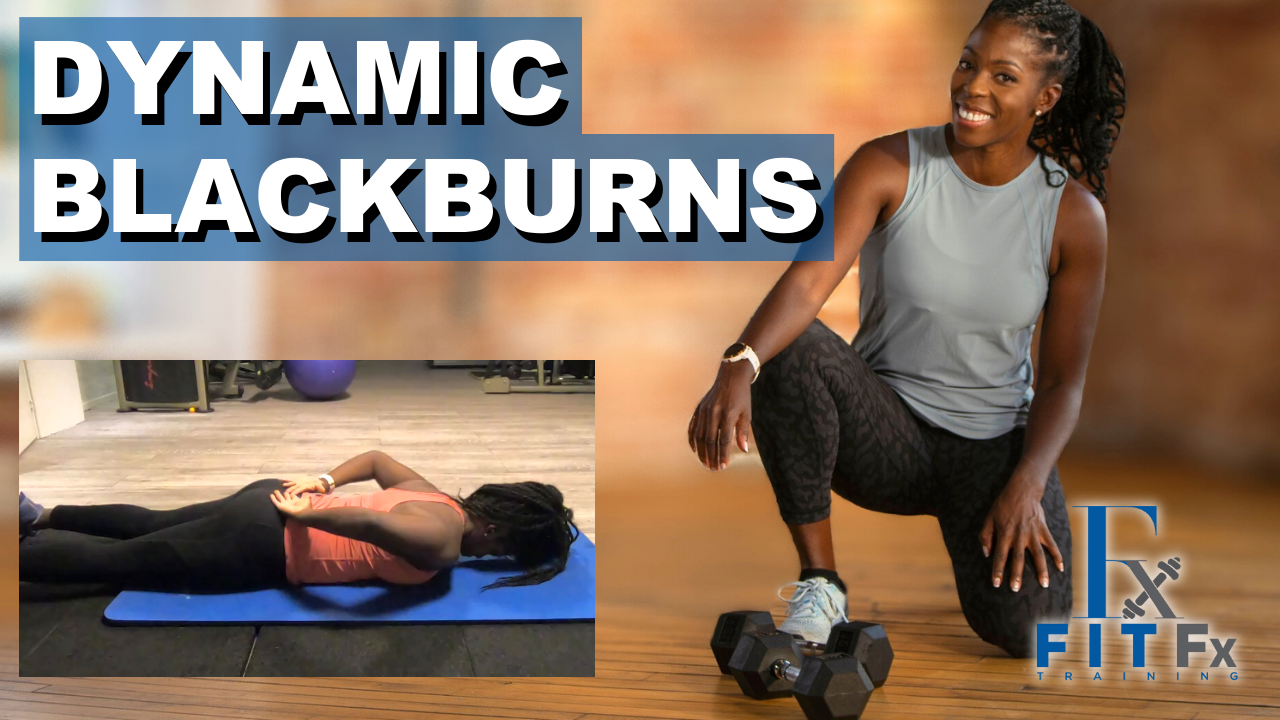
Strengthen your shoulder rotator cuff with Dynamic Blackburns, an important exercise focusing on shoulder stability and mobility. This dynamic movement aids in fortifying the rotator cuff muscles, enhancing overall shoulder strength and resilience. Incorporate Dynamic Blackburns into your regimen to improve shoulder stability and prevent injuries.

Elevate your shoulder health with the Field Goal exercise, a targeted exercise for strengthening the rotator cuff. This exercise focuses on enhancing shoulder stability and mobility, vital for overall upper body strength. Incorporate the Field Goal exercise into your routine to fortify shoulder stability and reduce injury risk.

McGill Curl Ups prove highly effective in fortifying the deep transverse abdominals and the neck's deep muscles. This exercise contributes to enhancing posture, core strength, and stability.

This exercise works wonders in fortifying the mid-back and shoulders, aiding in enhancing posture while sitting or standing.

The Prone T Raises serve as a traditional exercise for shoulder stabilization, targeting the rotator cuff and midback muscles, potentially contributing to better posture.

The Prone W Raise is a well-known rehab exercise frequently recommended for addressing neck and shoulder discomfort, potentially aiding in posture improvement and back strengthening.
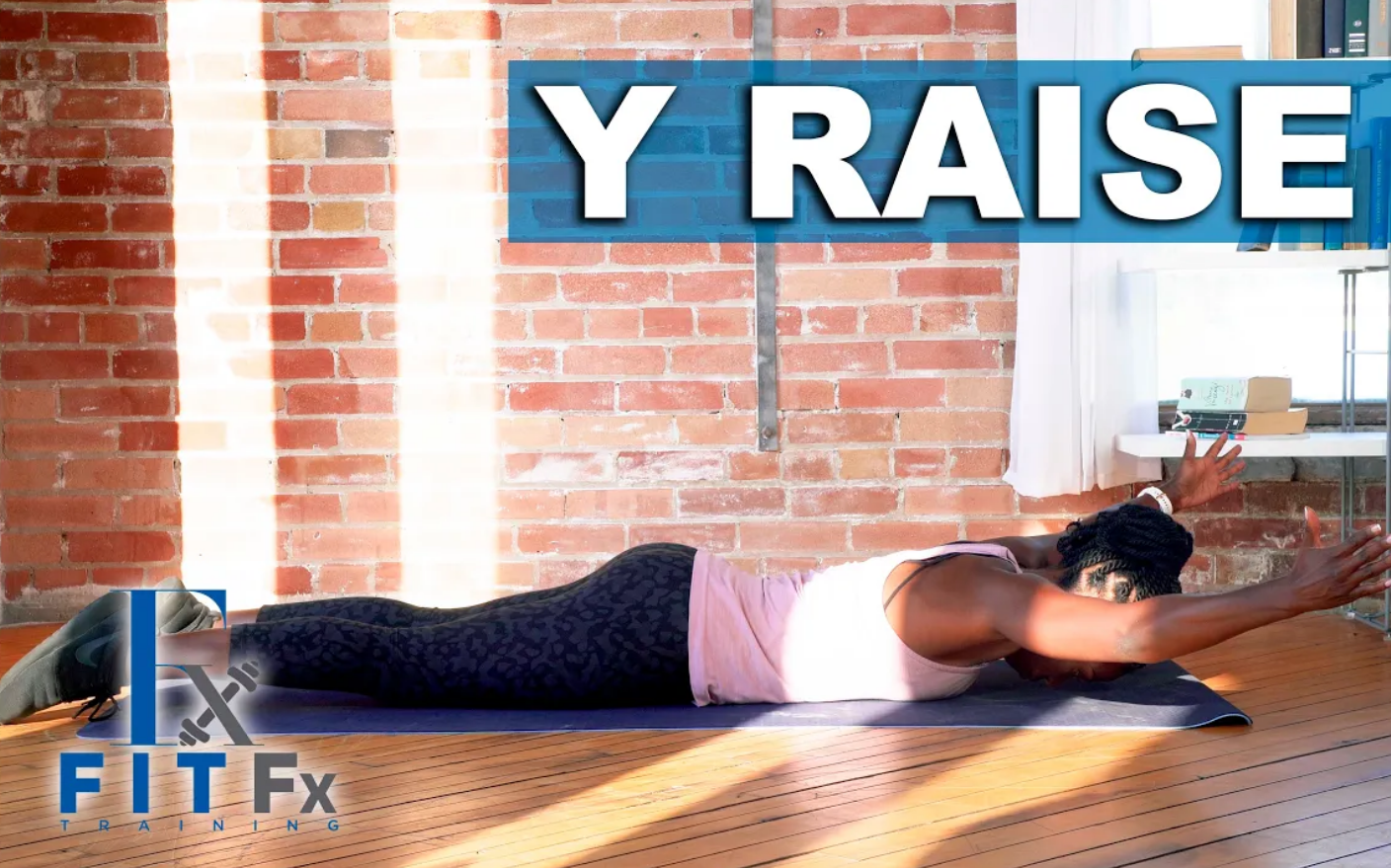
The Y Raise stands as a traditional rehab exercise, enhancing strength in the lower trapezius and rotator cuff muscles. It aids in boosting overhead mobility, refining posture, stabilizing the shoulder joints, and potentially easing neck and shoulder tension.

Improve your shoulder strength with the Quadruped Pushup Plus, a fantastic exercise for shoulder rehabilitation. This movement targets shoulder stability and strength, aiding in recovery and preventing future injuries. It also teaches the body proper scapular mechanics as the shoulder blade should move well about the ribcage.

The Dumbbell Rear Fly is a traditional upper body exercise designed to fortify the mid-back and rear deltoid muscles situated at the back of your shoulders.

Improve your hip internal rotation with Reverse clamshells that target your gluteus medius — the small, deep glute muscle — which helps you rotate your hips when you walk or run.

Seated Rows represent a timeless exercise that fortifies the back and arms, easily achievable with a resistance band to maintain consistent tension throughout the motion.

Optimize your shoulder rehab routine with effective external rotation exercises for your rotator cuff. Strengthen and stabilize your shoulder, targeting the infraspinatus and teres minor muscles. Ensure your shoulders are healthy and strong through overhead and throwing motions.

The Touchdown Wall Slides serve as an excellent exercise fostering enhanced posture, upper back strength, and improved overhead shoulder mobility.

The Wall Angel is frequently recommended in rehabilitation to encourage thoracic and shoulder mobility, potentially alleviating certain neck and shoulder discomfort.
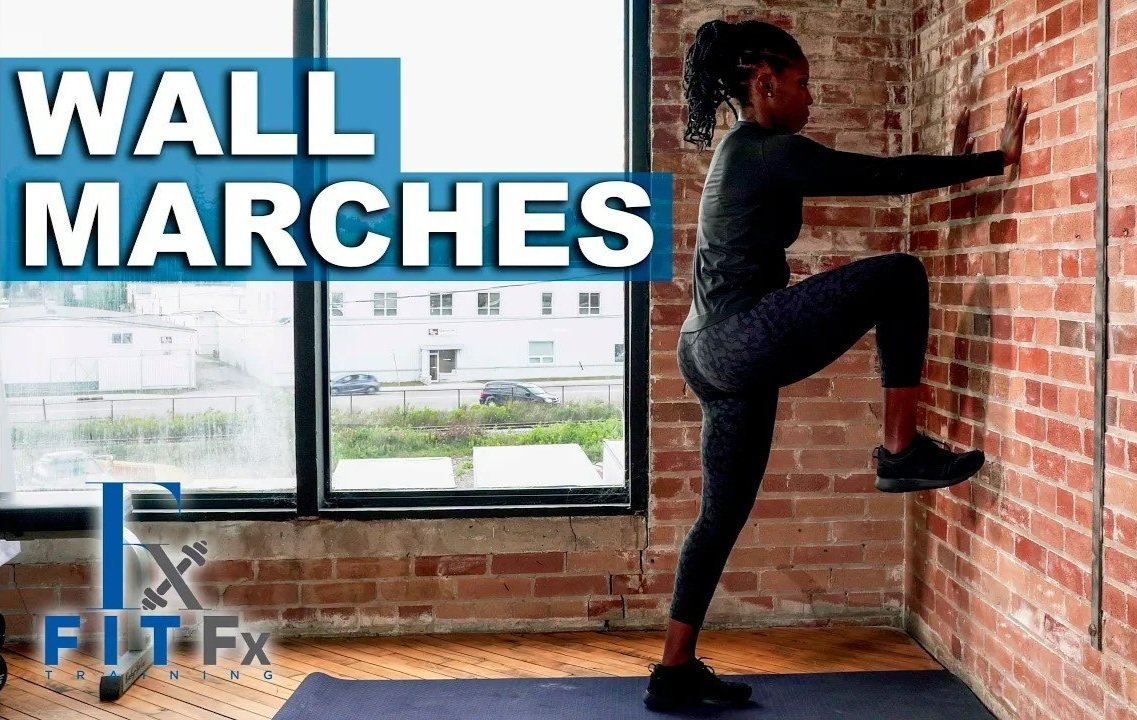
Wall Marches serve as an excellent method to fortify your core and individual leg strength utilizing only a wall. This exercise also aids in enhancing trunk stability and posture.

Weighted Deadbugs present a demanding twist to the traditional Deadbug exercise. Incorporating additional weight intensifies engagement in the deep core muscles, as well as targets the chest, lats, and arms.