WALL REFERENCE SINGLE LEG DEADLIFTS
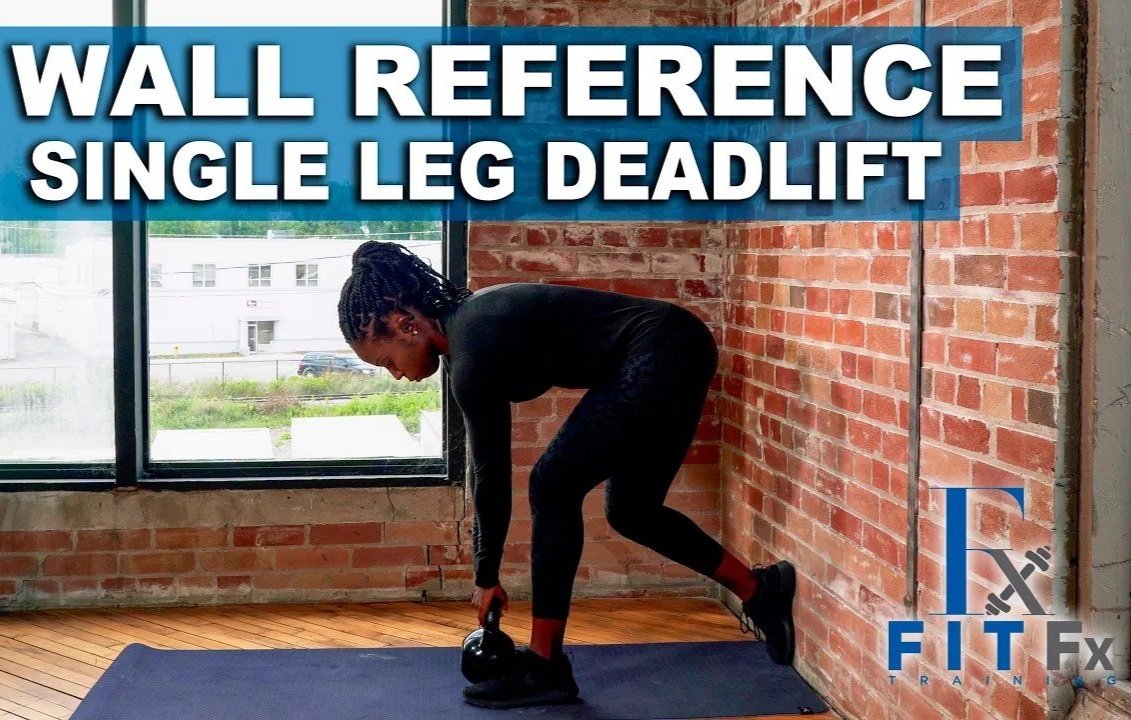
How To Perform Wall Reference Single Leg Deadlifts
If you have trouble keeping your balance during a Single Leg Deadlift, or if you feel your lower back too much, then this variation can help, because you’ll have your rear foot supported against a wall, providing you with more stability and core engagement to perform this safely.

Level/Difficulty: Intermediate to Advanced
Muscle Group(s): glutes, hamstrings, calves, lats, core
Equipment: dumbbell(s), kettlebell(s), resistance band, or barbell, and a wall for support
Exercise groups: Lower Body Exercises, Full Body Exercises, Lower Body Exercises, Core Strengthening Exercises, Upper Body Exercises, Posture Strengthening Exercises
Coaching Cues:
Back foot pressed against wall, inhale and hinge at the hips, exhale to pull the hips back to the start
Before starting:
Be sure to use a weight that is not too heavy.
To start with this exercise, stand with your back about 2 feet away from a wall.
Ensure you can comfortably hinge forward with your rear foot against the wall (e.g. a practice rep), then select your weight.
Keeping your rear foot against the wall, hinge at the hips, bringing your hips closer to the wall, but keeping your weight on the front leg/foot
Exhale as you return to the start. Maintain most of your weight on the front leg as you repeat your reps before switching legs.
Lower the weight if you're unable to do this exercise with great form.
RELATED EXERCISES
•
RELATED EXERCISES •

Bent-over Rows, a traditional exercise, effectively bolster back and bicep muscles while contributing to better posture and overall upper body strength.

Incorporating a contralateral reach using the opposite arm intensifies the engagement of back muscles in each repetition, fostering improved trunk rotation and enhancing overall posture.

This variation of the Bent-over Row merges elements of a Stiff-Legged Deadlift with the traditional row, creating a compound, full-body exercise. It effectively targets and strengthens the back, hamstrings, calves, glutes, arms, and core muscles. You can perform this exercise using a barbell, bands, or dumbbells for versatility.

The forearm often gets overlooked and can become notably tense due to frequent typing and texting. This wall stretch proves effective in loosening the forearm flexors, biceps, chest, and hand muscles. Improving wrist and forearm mobility may reduce the risk of chronic injuries such as tennis elbow or carpal tunnel syndrome.

Half Kneeling Bicep Curls present an excellent variation for fortifying your arms while simultaneously enhancing core and hip stability. This exercise engages the biceps, obliques, glutes, and hamstrings effectively.

The Half Turkish Get Up offers a modified approach to the Turkish Get Up, emphasizing abs strengthening, enhancing shoulder stability, and refining trunk rotation.

The Half Kneeling Halo often goes unnoticed but proves highly effective in enhancing shoulder range of motion, trunk stability, and motor control. This comprehensive move engages the shoulders, arms, obliques, and glutes.
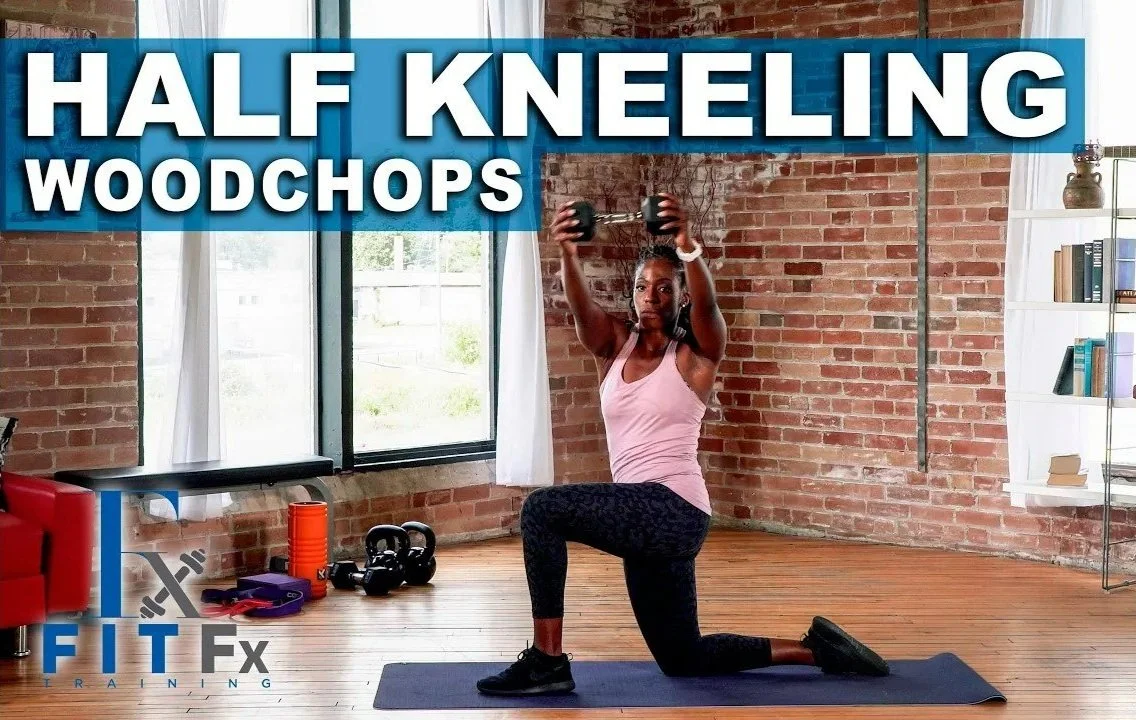
The Half Kneeling Woodchops serve as an excellent exercise for enhancing core strength and trunk rotation. It effectively targets the obliques, back, shoulders, and hips. All you need is a single dumbbell or medicine ball to give this a try.

Pushups are a foundational upper body exercise, fortifying the entire upper body, encompassing the chest, shoulders, arms, and abs. Irrespective of your fitness level, various modifications exist to tailor these to your workouts, accommodating both beginners and advanced practitioners.

With this plank variation, your trunk and hip stability are continually challenged as the weight moves beneath you. Engage the obliques, shoulders, arms, and hips with this exercise.

Quadruped Rows serve as a modified or beginner-friendly alternative to the Bentover Row exercise. They can also intensify core engagement while targeting the back. This exercise effectively strengthens the obliques, back, and arms, contributing to enhanced trunk stability.

The Dumbbell Rear Fly is a traditional upper body exercise designed to fortify the mid-back and rear deltoid muscles situated at the back of your shoulders.

The Y Raise stands as a traditional rehab exercise, enhancing strength in the lower trapezius and rotator cuff muscles. It aids in boosting overhead mobility, refining posture, stabilizing the shoulder joints, and potentially easing neck and shoulder tension.

This exercise works wonders in fortifying the mid-back and shoulders, aiding in enhancing posture while sitting or standing.

The Prone W Raise is a well-known rehab exercise frequently recommended for addressing neck and shoulder discomfort, potentially aiding in posture improvement and back strengthening.

The Prone T Raises serve as a traditional exercise for shoulder stabilization, targeting the rotator cuff and midback muscles, potentially contributing to better posture.
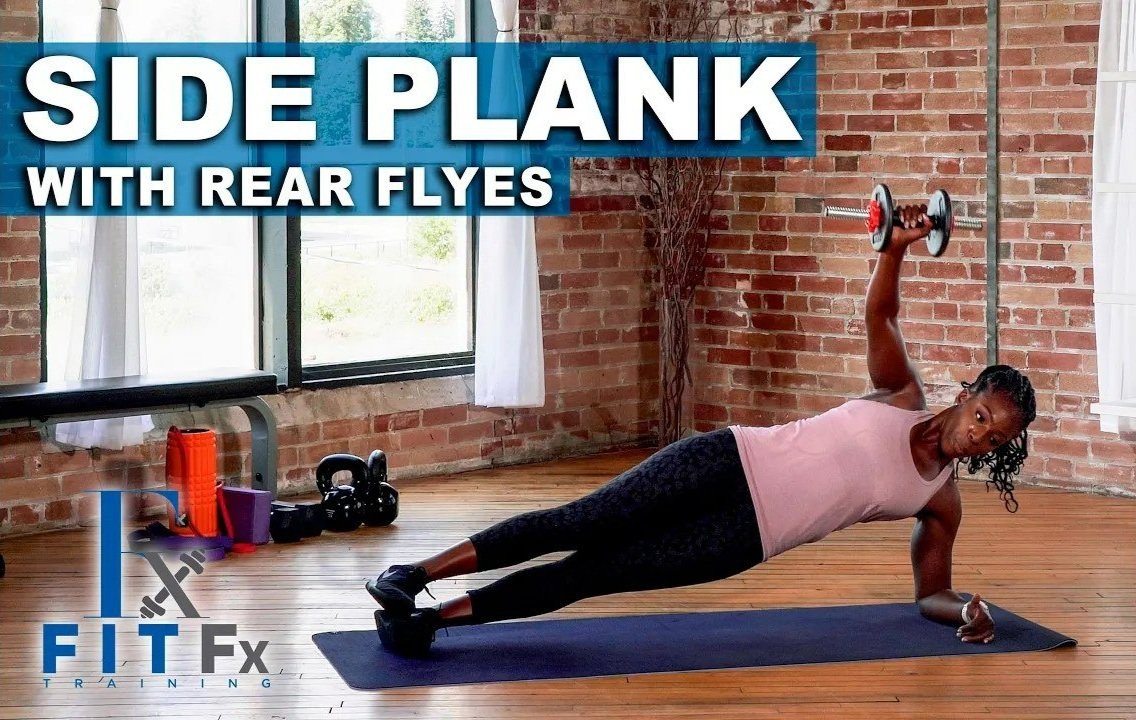
The Side Plank with Rear Fly is a valuable exercise to fortify your obliques, upper back, and shoulders while enhancing overall trunk and hip stability. You'll find both beginner and advanced variations demonstrated here.

The Standing Military Press is a traditional upper body exercise aimed at hypertrophy, fostering muscle and strength development in the arms and shoulders.

"Seated Rows represent a timeless exercise that fortifies the back and arms, easily achievable with a resistance band to maintain consistent tension throughout the motion.

This triceps variation not only targets the triceps but also engages the abs and glutes by stabilizing the torso throughout the exercise. It's an effective method to strengthen and build hypertrophy in the arms by working against gravity.

Engaging in the Tall Kneeling Bicep Curl enables concurrent development of arm and core strength. Throughout the curl movement, a stable core is crucial to prevent leaning backward or forward. This exercise targets the biceps, abs, obliques, glutes, and hamstrings effectively.

Engaging in Tall Kneeling Front & Lateral Raises not only develops shoulder strength but also challenges the core muscles. Alternating between front and lateral raises intensifies the need for trunk stability, effectively engaging the obliques and glutes.

Performing the Tall Kneeling Military Press mimics the traditional shoulder press, yet the kneeling position intensifies core engagement, demanding greater trunk stability. This exercise effectively strengthens the abs, shoulders, arms, and glutes.

The Touchdown Wall Slides serve as an excellent exercise fostering enhanced posture, upper back strength, and improved overhead shoulder mobility.

Tricep Kickbacks represent a timeless exercise designed to fortify the back of the arm. They effectively target the triceps and upper back muscles, contributing to improved upper body strength.

The Wall Angel is frequently recommended in rehabilitation to encourage thoracic and shoulder mobility, potentially alleviating certain neck and shoulder discomfort.

This stretch effectively opens up the chest, stretches the pectoral muscles, and helps alleviate tightness from activities that involve forward-reaching movements, like typing or lifting. Remember to perform stretches within your comfort level and avoid overexertion or sudden movements that could cause strain.