FRONT BEAR CRAWL

How To Perform The Front Bear Crawl
Experience full-body engagement with this Front Bear Crawl exercise. This dynamic movement challenges core strength, coordination, and endurance that's suitable for all levels. Incorporate the Front Bear Crawl into your routine to enhance stability, agility, and overall body strength.

Level/Difficulty: Beginner to Advanced
Muscle Group(s): shoulders, transverse abdominis, hip flexors, back, arms
Equipment: none
Exercise groups: Lower Body Exercises, Full Body Exercises, Lower Body Exercises, Core Strengthening Exercises, Upper Body Exercises, Posture Strengthening Exercises
Coaching Cues:
Core engaged; use hands to ‘pull’ yourself forward one at a time, in coordination with your opposite lower limb
Before starting:
Be sure to take your time, keep knees, and feel free to regress to the beginner modification if needed.
Start on all fours; hands under the shoulders and knees on the floor under your hips.
Engage your core and check that you have a neutral spine.
Use your right hand to ‘pull’ yourself forward and simultaneously move your left knee/leg forward to take a step. Alternate with your other arm/leg to ‘crawl’ forward.
Once you’ve reached your designated amount of steps, repeat this sequence moving backwards, but “push” yourself away using your hand, moving it simultaneously with the opposite leg/hip.
(Advanced). Repeat all of the above steps with both knees off the floor. Keep the knees close to the floor (no more than 1” away) the entire time. Try to stay strong in the shoulders without shrugging (“push yourself away from the floor).
RELATED EXERCISES
•
RELATED EXERCISES •

Squats stand as a timeless essential for developing leg and core strength, fostering better posture and increased power. These adaptable exercises can be adjusted to suit any fitness level.

Glute Bridges, a staple exercise in many rehab programs, target hip, knee, and core strength. They effectively enhance hip stability, aid in managing low back and hip discomfort, and contribute to leg strength development.

Numerous variations exist for the classic Glute Bridge exercise, and this particular one stands out, particularly beneficial for runners. It aids in managing low back pain while enhancing single-leg strength and promoting hip stability.

This variation offers a greater challenge compared to the classic Glute Bridge exercise, intensifying engagement in the calves, hamstrings, and core muscles, providing a noticeable difference in sensation.

The Rear Foot Elevated Split Squat, also referred to as the Bulgarian Split Squat, represents an advanced squat variation emphasizing significant quad and glute strength building. Sensing a stretch in the rear leg is common, so adjusting your pace according to your mobility level by moving slowly and with control is advisable.
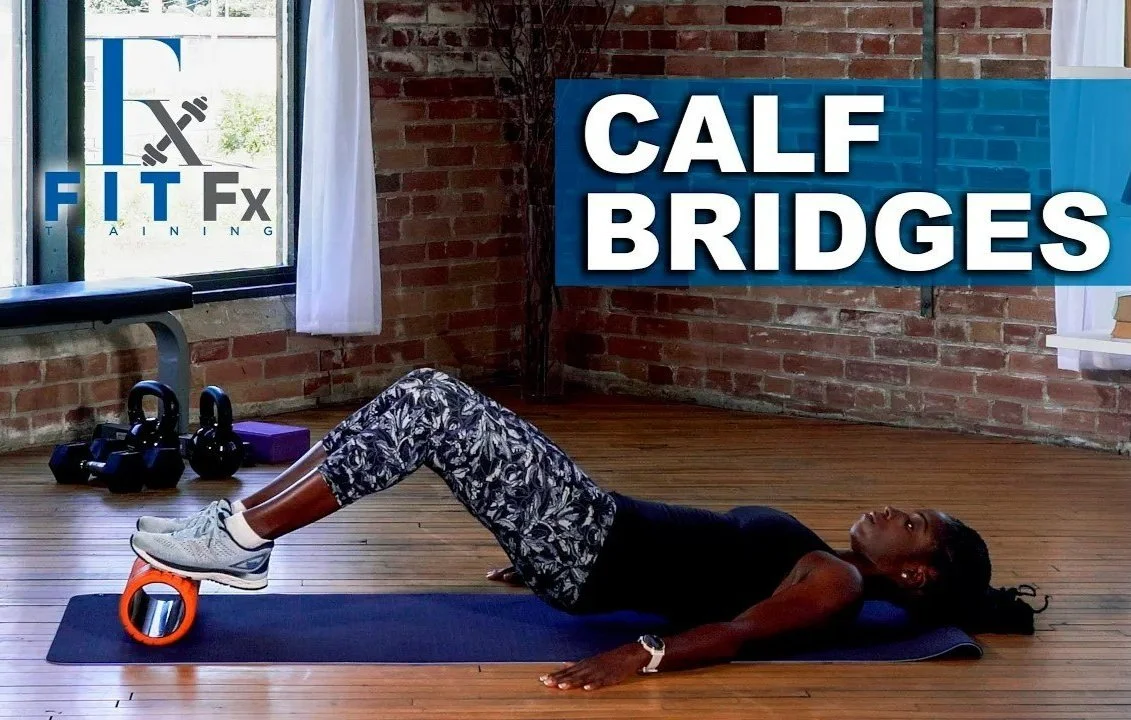
Calf Bridges excel in simultaneously strengthening the calves, hamstrings, glutes, and core muscles. Often underestimated, these muscle groups play crucial roles in maintaining posture, walking, alleviating low back pain, and enhancing running performance.

Calf Bridge Oscillations stand as an incredible and demanding workout, fostering strength and stability in the ankles, calves, hamstrings, and glutes. Particularly beneficial for runners, this exercise only requires a foam roller to perform effectively.

Copenhagen Runners Side Planks present an advanced iteration of the traditional Copenhagen Plank. This variation focuses on strengthening the inner thighs, engaging the obliques and shoulders, and enhancing mobility within the frontal plane.
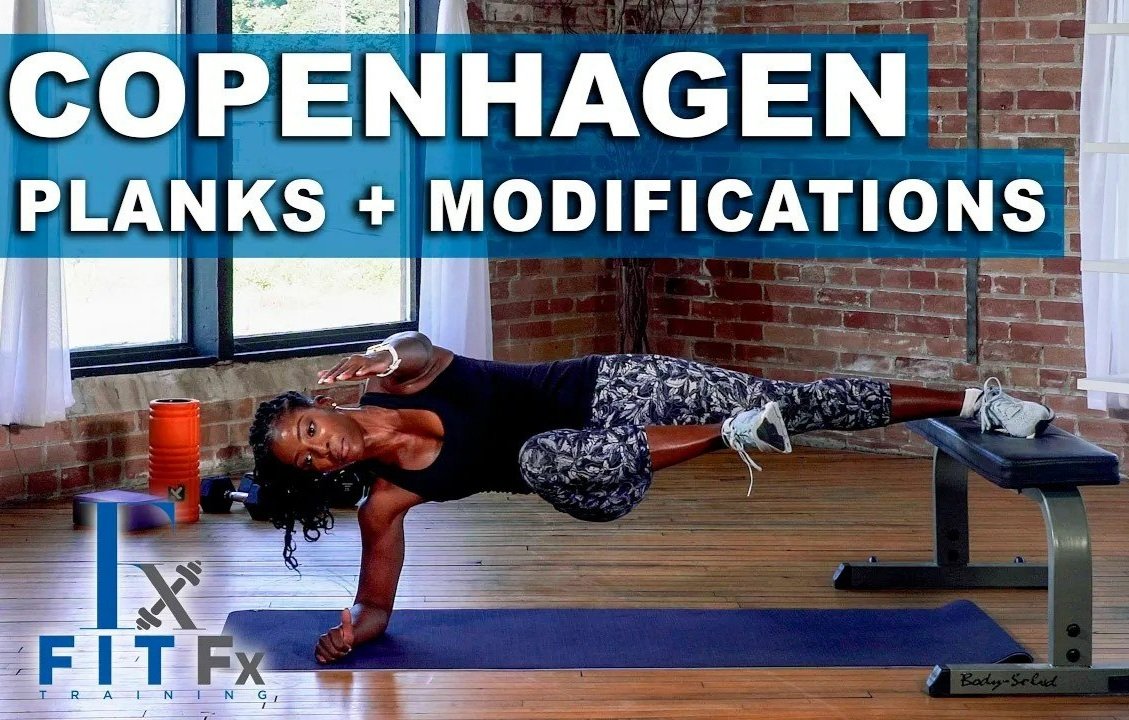
Copenhagen Planks often fly under the radar but prove highly effective in fortifying the adductors, hips, and core muscles. Explore various demonstrated variations of this exercise in the provided brief tutorial.

Cossack Lunges, also known as Lateral or Side Lunges, offer a challenging twist to the traditional lunge, targeting the outer glutes and emphasizing the frontal plane. These lunges serve as an excellent warm-up, crucial for maintaining hip, knee, and ankle strength, thus aiding in injury prevention and ensuring joint integrity.

This exercise brings a twist to the classic Forward Lunge by incorporating trunk rotation. This addition enhances overall mobility and significantly engages the obliques and glutes beyond what the traditional lunge offers.

Experience full-body engagement with this Front Bear Crawl exercise. This dynamic movement challenges core strength, coordination, and endurance that's suitable for all levels. Incorporate the Front Bear Crawl into your routine to enhance stability, agility, and overall body strength.

This variation of the Glute Bridge focuses on testing single-leg hip stability while enhancing strength in the hips and core. For runners, incorporating this exercise into your cross or strength training routine can be highly beneficial.

Jump Lunges stand as an excellent plyometric exercise, fostering muscle building, power, and strength in your legs. They serve well in your workout routine, whether as bodyweight cardio or as a finishing exercise to your session!

Jump Squats offer an equipment-free method to enhance leg strength and power. While consecutive reps might prove challenging, the benefits they yield make them worthwhile.

The Kettlebell Snatch is a high-level exercise focusing on power development, fortifying the glutes and hamstrings, and testing shoulder stability.

The Kettlebell Snatch presents a demanding and challenging exercise engaging the entire trunk, hips, and shoulders, relying heavily on proper technique. Beginning with a lighter weight is advisable to ensure comfort and mastery before progressing to heavier loads.
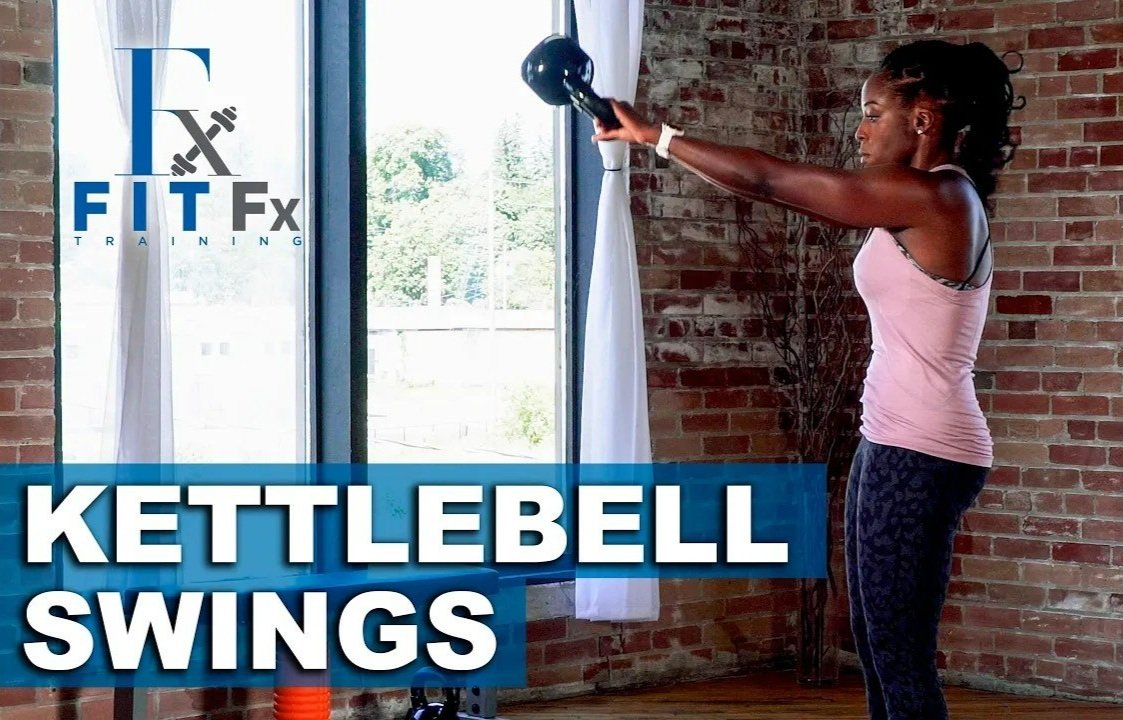
Kettlebell Swings are effective for building strength and power in the glutes, hamstrings, and core. Additionally, they can serve as a dynamic conclusion to any workout routine, contributing to cardio endurance.

Mountain Climbers are a timeless bodyweight cardio exercise that not only boosts cardiovascular endurance but also challenges arm, core, and leg strength.

Elevate your standard plank routine with this variation, featuring beginner and advanced levels. Engage the obliques, hips, shoulders, and overall trunk stability through this exercise.

Plank Knee Ins serve as an excellent exercise to engage multiple muscle groups simultaneously, including the shoulders, abs, hip flexors, chest, and arms.
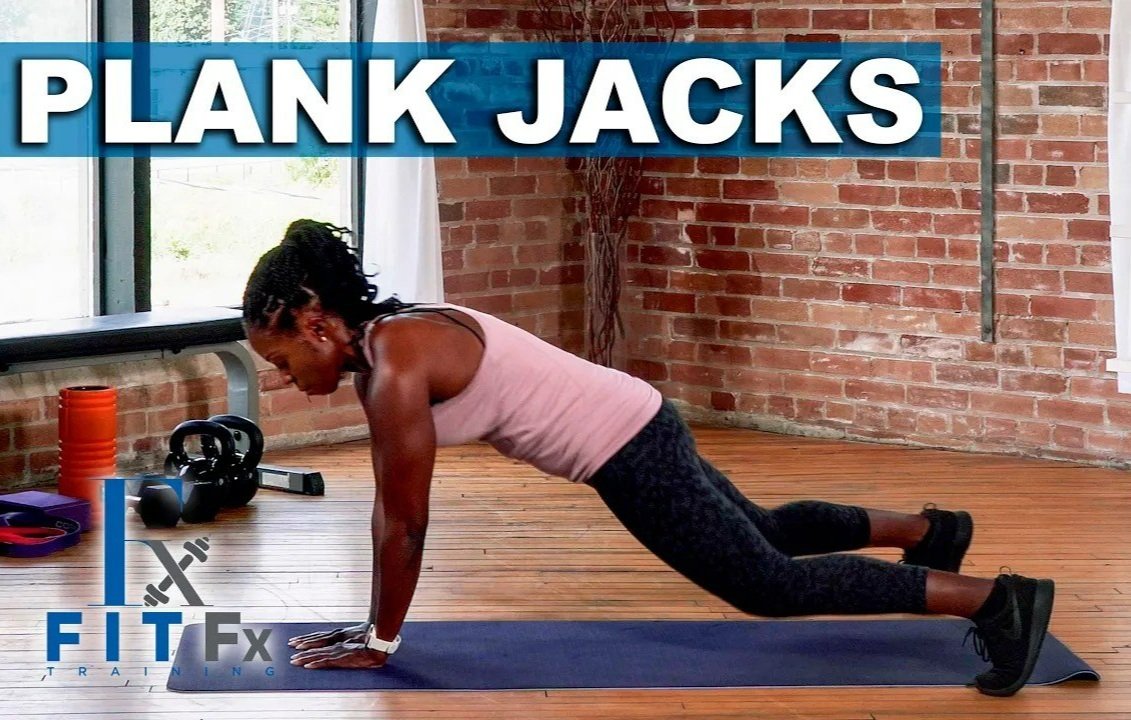
Plank Jacks fuse a dynamic plank with jumping jacks, making them an ideal addition to a circuit or as a workout finisher. They effectively engage the arms, shoulders, abs, and hips.

Prisoner Lunges offer a great variation to test your balance and core strength, transforming it into a comprehensive full-body workout. Engage the quads, glutes, and abs with this exercise.

Pushups are a foundational upper body exercise, fortifying the entire upper body, encompassing the chest, shoulders, arms, and abs. Irrespective of your fitness level, various modifications exist to tailor these to your workouts, accommodating both beginners and advanced practitioners.

The Runner's Jump stands as an advanced lunge variation, demanding power from the glutes, hamstrings, calves, and core muscles. They serve as an excellent choice for concluding a workout or integrating with other sport-specific exercises.

Engage in the Side Plank, an impactful core workout enhancing the strength of the abs, back, and shoulders. Explore beginner and advanced variations with these guidelines.

This variation of the side plank effectively engages multiple muscle groups simultaneously, including the obliques, glutes, back, and shoulders.

Single Leg Squats prove excellent for developing single-leg strength and enhancing stability in the hip, knee, and ankle joints. They engage the quads, glutes, calves, and core muscles effectively.

Speedskaters serve as an exceptional addition to your routine, elevating your heart rate, enhancing athletic ability, agility, and effectively engaging both the glutes and legs!

This high-level plyometric exercise is excellent for developing single-leg strength, power, and stability. It engages the quads, glutes, calves, hips, and core muscles comprehensively.